




How Screen Time Destroys Your Sleep and What to Do About It

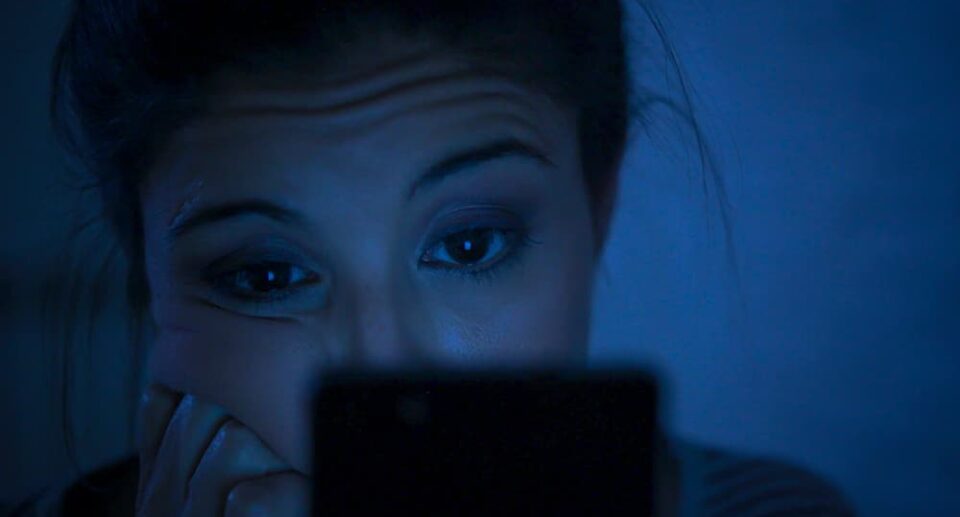
In our previous post, “Build a Healthier Relationship with Your Smartphone in 5 Simple Steps, we discussed the importance of building a conscious and balanced relationship with your smartphone. But do we really understand the most silent yet deadly impact of smartphone use?
In today’s post, we will take a deep dive into How Screen Time Destroys Your Sleep and why screen time is becoming the biggest culprit behind poor night’s sleep. These small habits, like scrolling through your phone before going to bed, watching videos in bed or checking notifications at the last minute, are slowly destroying your sleep quality, peace of mind and energy throughout the day.
In this article, you will learn how excessive screen time disrupts your natural sleep rhythm, why you feel tired in the morning, and most importantly, what to Do About It to get out of this problem. If you really want better sleep and a healthy life, then this post is for you.
The Science of Blue Light
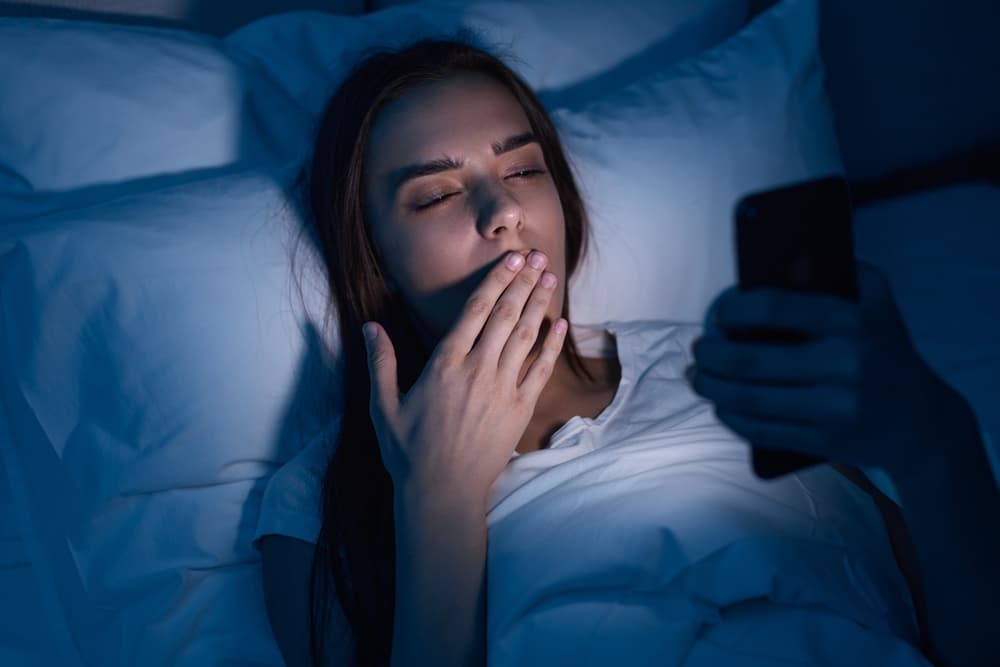
Blue light has a short wavelength but is very powerful. Naturally, the main source of blue light is the sun. But the digital screens and LED bulbs we use today emit a lot of artificial blue light.
According to research by Harvard Medical School, the blue light from the screen inhibits our sleep hormone melatonin.
The retina of our eyes contains a type of protein called melanopsin, which is very sensitive to blue light. This protein sends signals directly to the ‘hypothalamus’ part of the brain. The blue light from the sun keeps our brains alert, makes us feel cheerful, and speeds up work. When we use our phones at night, artificial blue light sends a false signal to our brain that it is still day.
Science says that exposure to blue light inhibits the release of a hormone called melatonin from the pineal gland of the brain.
This melatonin hormone tells our body that it is time to sleep.
Blue light suppresses this hormone, causing our eyes to fall asleep later and the depth of sleep to decrease.
Effects on eye health
Blue light can reach the retina directly. Excessive exposure to it can cause:
- Dry eyes.
- Headaches and blurred vision.
- Risk of long-term damage to retinal cells.
Melatonin: Our Body’s ‘Sleep Hormone’
Melatonin is a natural hormone secreted by the pineal gland deep in our brain. Its main function is to signal our body to sleep.
Regulating the Body Clock or Circadian Rhythm
Melatonin manages our body’s internal 24-hour clock or Circadian Rhythm. When it gets dark, and the surroundings start to get dark, the brain starts producing melatonin. It mixes with the blood and tells the body that it is time to rest and slow down its metabolism.
Falling asleep and maintaining the depth of sleep
Melatonin does not directly ‘faint’ you out; it prepares you for sleep by lowering your body temperature and relaxing your muscles. It improves the REM stage of the sleep cycle, which is essential for our memory and mental health.
Acts as a powerful antioxidant
Melatonin not only helps you sleep, but it also helps repair the body’s cells. It is a powerful antioxidant that helps boost the body’s immune system and reduce inflammation.
Mental stress

When we use our phones or laptops before going to sleep, our brain becomes more active instead of resting. This is called ‘cognitive stimulation’ in scientific terms.
The National Sleep Foundation recommends staying away from digital devices for at least 60 minutes before bed.
The main reasons for this are:
Going into ‘alert’ mode
When we read news on social media, check emails or watch an exciting video, our brain becomes alert. This can take the brain closer to Fight-or-Flight mode. As a result, the body gets ready to work instead of relaxing.
Effect of the dopamine hormone
Social media scrolling or playing games releases the ‘feel-good’ hormone called dopamine in our brains. It works like an addiction. Each new post or notification arouses curiosity in our minds, so we keep scrolling for “one more minute” instead of putting down our phones and going to sleep.
Stress and Anxiety
Checking your office email or comparing your life to someone else’s on social media right before bed increases the stress hormone cortisol. Cortisol and melatonin work in opposite directions; when cortisol rises, melatonin or sleep decreases.
Revenge Bedtime Procrastination
This is a modern psychological problem. After a busy day at work, people don’t have time for themselves. So to make up for that lack of time, people reduce their sleep time at night and seek pleasure on screens. Although it gives mental satisfaction, it leaves the body extremely tired.
Indirect harm
Sleep displacement
This is the biggest indirect harm of screen time. Simply put, when you scroll through a movie or social media on your smartphone, you ‘displace’ or postpone your sleep time.
For example, you were supposed to sleep at 11 pm, but while scrolling, it was 1 am. The body does not get back the 2 hours of time lost. As a result, you feel tired the next day.
Disruption of the sleep cycle
People wake up repeatedly in the middle of the night due to screen time. The sound of phone notifications or vibrations breaks your deep sleep cycle. Without deep sleep, the brain cannot complete its necessary ‘detox’ or cleaning process.
Irregular eating habits and obesity
Studies have shown that those who use screens late at night have an increased tendency to ‘late night snacking’ or eating in the middle of the night.
Lack of sleep disrupts the balance of the body’s appetite-controlling hormones (Leptin and Ghrelin). As a result, people eat more high-calorie foods, which in the long run leads to weight gain and a risk of diabetes.
Deterioration of mental health and loneliness
Spending a lot of time in front of a screen at night isolates people from society. Mental tension, combined with lack of sleep, increases the risk of depression and anxiety. Watching glamorous posts about other people’s lives instead of sleeping at night creates an inferiority complex in oneself.
Decreased productivity the next day
If you sleep less due to screens at night, your ability to concentrate the next day decreases. Researchers call this “Social Jetlag. That is, your body is working, but your brain is still struggling with a lack of sleep. This reduces the ability to make decisions and increases the risk of accidents.
Remedies and Solutions
‘90-Minute’ Digital Curfew
The most effective solution, according to research, is to turn off all electronic devices (phones, laptops, tablets) at least 90 minutes (minimum 60 minutes) before bed. This gives your brain enough time to produce melatonin.
Declare the bedroom a screen-free zone
Try not to keep any digital devices in the bedroom. Especially stop using your phone while lying in bed. Keep the charger outside the bedroom or at least 10 feet away from the bed, so that you can’t reach for your phone when you wake up.
Use a blue-light filter and night mode
If you absolutely have to use the screen at night, turn on the ‘Night Mode’ or ‘Blue Light Filter’ option on your device. This reduces the harmful blue light from the screen. You can also use blue-light blocking glasses.
Find an alternative to your phone
Instead of your phone, develop some healthy habits before going to bed:
Reading paper books: Read physical books, not e-books.
Diary writing: Write down your feelings for the day or your to-do list for the next day.
Meditation or deep breathing: This calms the nervous system.
Use an analog alarm clock
Many of us set alarms on our phones. In the morning, we start checking notifications as soon as we turn off the alarm, which makes the day feel unsettling. Buy a simple analog alarm clock to reduce your dependence on your phone.
Use a screen time tracking app
Use the ‘Digital Wellbeing’ (Android) or ‘Screen Time’ (iOS) feature to see how much time you spend on your phone. Set a time limit (App Timer) for specific apps.
FAQ
Q: How does screen time destroy your sleep quality?
Screen time destroys your sleep by exposing your eyes to blue light, which suppresses melatonin-the hormone responsible for sleep. Late-night phone use also keeps your brain mentally active, making it harder to fall asleep and reducing overall sleep quality.
Q: How much screen time before bed is too much?
Even 30-60 minutes of screen time before bed can negatively affect sleep. Scrolling on your smartphone, watching videos, or checking social media late at night delays sleep onset and disrupts your natural sleep cycle.
Q: What can you do to protect your sleep from screen time?
To reduce how screen time destroys your sleep, set a digital curfew at least one hour before bedtime, use blue-light filters, and replace phone use with calming activities like reading, stretching, or meditation.
Key Takeway How Screen Time Destroys Your Sleep
Our daily lives now revolve around screens. In previous posts, we looked at how to build a healthy relationship with our smartphones and how Screen Time Destroys Your Sleep how this silent problem is slowly affecting our bodies and minds. But is the damage from screens limited to sleep?
The reality is working in front of phones, laptops, or desktops for long periods of time can cause eye strain, neck and back pain, and poor posture, which can slowly turn into permanent body problems. We often ignore these physical effects of a digital lifestyle until they interfere with our daily work.
That’s why in the next post in this series, we’ll discuss “Protect Your Eyes and Posture: Ergonomic Tech Tips for Work and Home,” where you’ll learn how to protect your eyes and body in the long run through proper screen setup, sitting posture, and small habit changes. Because a healthy digital life isn’t just about less screen time, it’s also about knowing the right way to use your screen.