




Balanced Diet and Mental Well Being: 5 Life-Changing Ways to Improve Mood Naturally


Balanced Diet and Mental Well Being are deeply intertwined, as our daily diet directly affects our brain function, mood and mental stability. In today’s busy and stressful life, not consuming proper nutrition can increase anxiety, depression and mental fatigue. Therefore, maintaining a Balanced Diet and Mental Well Being is very important for a healthy and happy mental life.
Studies have shown that nutritious food helps in the production of essential neurotransmitters in the brain, which helps in keeping our mind healthy. Following the right diet reduces stress, increases focus and improves overall mental health. Simply put, ensuring a Balanced Diet and Mental Well Being is an essential part of our daily lives for long-term well-being.
5 Life-Changing Ways to Balanced Diet and Mental Well Being
Gut-Brain Connection
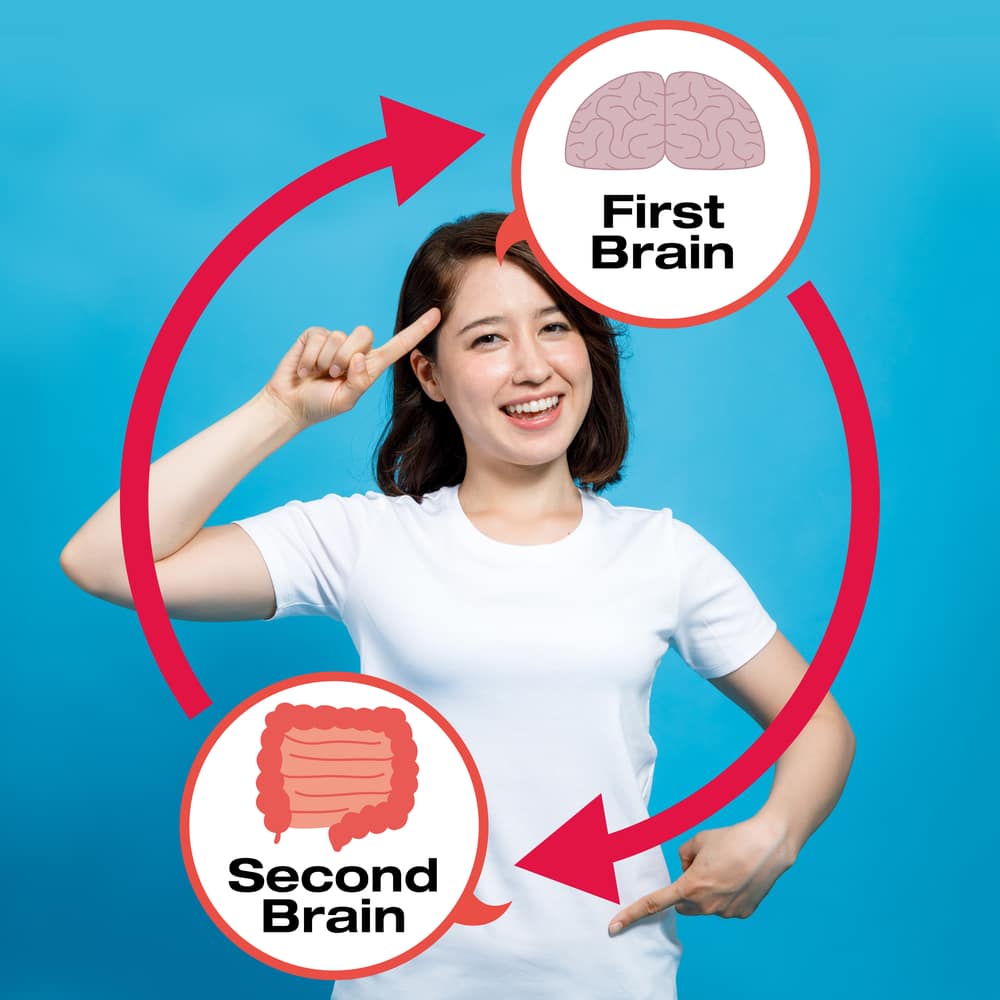
The enteric nervous system (Second Brain) in the gut communicates directly with the brain and affects mood, thinking, emotional state, and digestion.(1)
The Second Brain
Did you know that our gut contains over 100 million neurons or nerve cells? Researchers call it the ‘Enteric Nervous System’ or our body’s “second brain”.
Why it’s important: When our stomach is upset, we feel mentally unstable. Also, when we are worried or nervous (such as before an exam), we feel “butterflies” or a twisting in the stomach. This is the direct gut-brain connection.
Serotonin: The key to happiness is in the stomach!
Many people think that ‘serotonin’ (which keeps our mind happy and helps us sleep well) is only produced in the brain. But the truth is:
About 95% of the serotonin in our body is produced by the bacteria in our gut.
So if your gut is not healthy, your brain will not get enough of this “happy hormone”, which can directly cause depression or anxiety.
The Vagus Nerve
This is the body’s highway or super-fast internet cable. It directly connects your gut and brain. It is through this nerve that the gut microbiome (good bacteria) sends signals to the brain about how you are feeling.
What to eat to keep your brain happy
To improve the gut-brain connection, be sure to include the names of these foods in your article:
Probiotics: Yogurt, kimchi or lasagna. These increase the good bacteria in the stomach.
Prebiotics: Bananas, garlic, onions and oats. These act as food for the good bacteria.
Fibre-rich foods: Vegetables and fruits that keep the intestines clean.
Sugar and Mood Swings

The British study ‘Whitehall II study‘ found that those who consumed 67 grams or more of sugar per day had a 23% increased risk of developing mental illness after 5 years.
Blood Sugar Rollercoaster
When you eat sugar, your blood glucose levels suddenly spike. The body releases a lot of insulin to deal with it. As a result, your blood sugar levels suddenly drop again. This is called a ‘Sugar Crash’.
Result: Due to this sudden drop, you feel irritable, tired, lack concentration and experience excessive anxiety. This is what we call a ‘Mood Swing’.
Inflammation
Excess sugar creates long-term inflammation in the body. Recent research says that depression is directly linked to this inflammation in the brain.
Fact: People who drink excess sugary drinks every day have a 25-30% higher risk of developing depression than others.
Addiction and Brain Fog
Sugar acts like an addiction. The more sugar you eat, the more your brain will crave sugar. When you don’t get enough sugar, you start to feel dizzy or have a bad mood, which is called ‘Withdrawal symptoms’. This results in clouded thinking, which scientists call ‘Brain Fog’.
Role of Omega-3 Fatty Acids
In preventing depression and anxiety
Several studies have shown that countries where people eat more omega-3-rich foods (such as marine fish) have much lower rates of depression. Two of the main components of omega-3, EPA and DHA, directly reduce brain inflammation and increase the effectiveness of the hormones dopamine and serotonin.
Neuroplasticity or brain power
Omega-3 facilitates communication between brain cells (Neurons). This is called ‘Neuroplasticity’. It increases your attention and increases your ability to learn new things, which indirectly ensures confidence and mental peace.
Cortisol control
When we are stressed, the body releases the hormone ‘cortisol’. Omega-3 helps us stay calm by reducing the levels of this stress hormone.
Best sources of omega-3
You can provide a short list for the convenience of your readers:
- Marine fish: Hilsa, Rupchanda, sardines or tuna.
- Seeds: Flaxseeds and Chia seeds.
- Nuts: Walnuts are an excellent source of omega-3.
- Vegetable oils: Substitute extra virgin olive oil or mustard oil for the soybean oil.
Complex Carbohydrates vs Refined Carbs
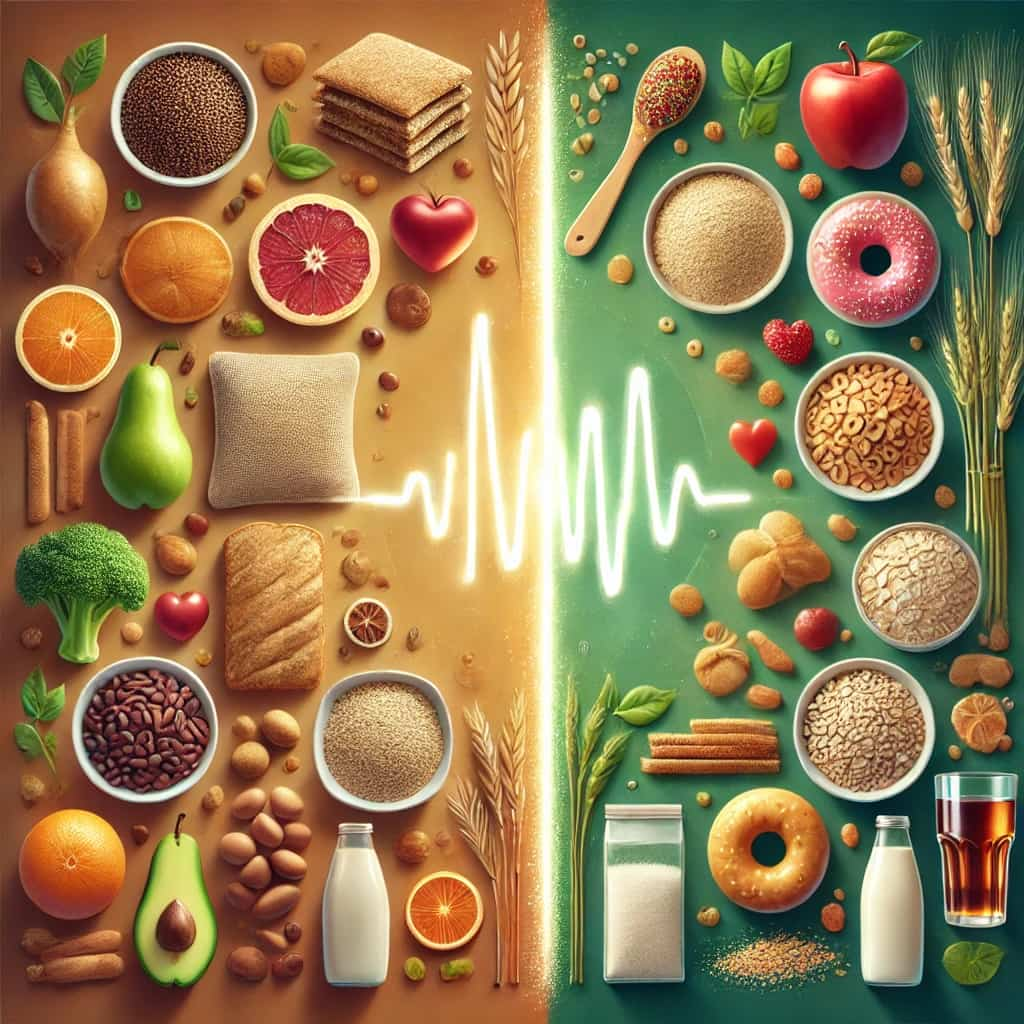
When you hear carbohydrates or sugar, many people want to eliminate them from their diet, but the main fuel for keeping the brain active is glucose, which comes from carbs. However, not all carbs are the same.
Refined Carbs: Temporary Energy, Long-Term Fatigue
White rice, flour, white bread, biscuits or sugary cereals are refined carbs. Fibre and nutrients are removed during processing.
Effect: They increase blood sugar levels quickly after eating and then decrease just as quickly. Due to these fluctuations, your mood becomes irritable, your attention decreases, and you feel hungry again and again.
Complex Carbohydrates: Provides mental stability
Red rice, flour, oats, lentils, sweet potatoes and vegetables are complex carbs. They contain a lot of fibre.
Effect: They mix sugars in the blood very slowly. As a result, your brain gets stable energy for a long time. It helps the body produce the ‘feel-good’ hormone called serotonin, which calms your mind and helps you sleep better.
Hydration and Micronutrients
Drink enough water and maintain mental alertness
Our brain is made up of about 75-80% water. Studies have shown that even slight dehydration can reduce your concentration, cause headaches and make you irritable.
Tip: Try to drink at least 2-3 litres of water every day. Whenever you feel very tired or depressed, try drinking a glass of water; it provides instant refreshment.
Micronutrients: Without which the mind is not good
Vitamins and minerals regulate all chemical reactions in the body. Two of these elements are most important for mental health:
- Magnesium: It is called ‘Nature’s Valium’ or a natural sleeping pill. It relaxes muscles and reduces anxiety.
- Sources: Spinach, dark chocolate, pumpkin seeds and bananas.
- Vitamin B12 and folate: These vitamins directly help in the production of dopamine and serotonin. Lack of these can lead to long-term depression.
- Sources: Eggs, milk, liver and green vegetables.
FAQ
Q: How does a balanced diet support mental well-being?
A balanced diet provides essential nutrients like omega-3 fatty acids, B vitamins, magnesium, and antioxidants that help regulate brain function, reduce stress, and improve mood. These nutrients support neurotransmitter production, which plays a key role in emotional balance and mental clarity.
Q: Can a balanced diet really improve mood and reduce anxiety?
Yes, research shows that a balanced diet can significantly improve mood and reduce symptoms of anxiety and depression. Foods rich in whole grains, fruits, vegetables, lean proteins, and healthy fats help stabilize blood sugar levels and support gut health, both of which are crucial for emotional stability.
Q: How long does it take to see mental health benefits from a balanced diet?
Some people notice mood and energy improvements within a few days to weeks of following a balanced diet. However, long-term mental well-being benefits typically develop with consistent healthy eating habits over several weeks or months.
Takeaway: Simple Dietary Changes for Powerful Mental Well-Being
Balanced Diet and Mental Well Being are deeply intertwined, as our daily food choices directly impact our mood, emotions, stress levels and overall mental health. Nutritious foods such as fruits, vegetables, whole grains, lean proteins and healthy fats improve brain function and help maintain mental stability. Following a balanced diet regularly reduces anxiety, increases focus and creates a positive outlook on life. Therefore, ensuring a balanced diet and Mental Well Being is an essential part of our daily lives for a healthy, happy and balanced mental life in the long term.