




Digital Overload: How Excessive Screen Time Is Hurting Your Body and Mind


From the moment we wake up in the morning and place our hands on the screen of the smartphone next to our pillow to the moment we go to bed at night, every moment of our lives is now closely linked to digital screens. Although laptops, tablets or smartphones in our hands make our lives easier, we are unknowingly falling victim to an invisible problem called digital overload.
Science says that an average person spends about 7 to 9 hours a day in front of various screens. But is spending this extra time just wasting our time? The answer is quite scary. It is not only putting pressure on our eyes or body, but it is also secretly changing the structure of our brain and mental balance.
Today, we will discuss in detail how staring at screens for long periods of time is taking away our creativity, making us irritable and pushing us towards long-term physical complications. This special article today is very important for you to know how it is possible to live a healthy life by getting rid of this addiction of the digital age.
Physical Effects of Excessive Screen Time
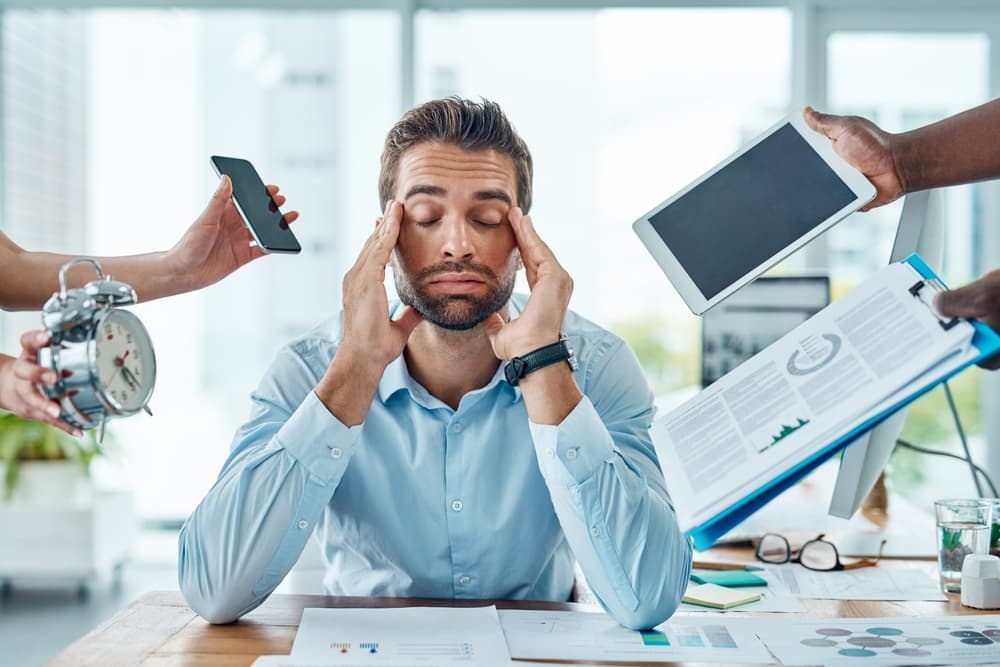
We spend most of our day looking at smartphone and laptop screens. Although we don’t think of it as a problem, it has a serious impact on our body, resulting in. Some of the main physical issues discussed are:
Digital Eye Strain
Excessive screen use causes eye fatigue or ‘computer vision syndrome’. When we look at the screen, we blink 66% less than normal, which causes the eyes to lose their necessary moisture.(1) This results in dry eyes, blurred vision, red eyes and severe headaches.
Sleep Disturbance
A type of ‘blue light’ is emitted from digital screens. As a result, using the phone late at night can lead to insomnia.
Obesity and cardiovascular risk
Increased screen time means reduced physical activity. Sitting or lying down for hours on end using a screen causes the body to burn fewer calories, which is a major cause of weight gain or obesity. This later increases the risk of high blood pressure and heart disease.
Finger and wrist problems
Continuous typing or gaming can cause pain in the finger joints and wrists. This is often compared to ‘carpal tunnel syndrome’, where the nerves in the hand are compressed and cause numbness.
Mental & Emotional Impact
When we spend hours and hours in front of screens, our brain’s chemical balance starts to change without us realizing it. This has a major impact on our mood, thinking ability, and social relationships.
Anxiety and Depression
Recent studies have shown that those who spend more than 4 hours a day on screens or social media have higher symptoms of anxiety and depression.(2) Comparing our lives with the well-organized lives of others on social media creates a kind of inferiority complex in us.
Dopamine Loop and Addiction
Our brain releases a ‘feel good’ hormone called ‘dopamine’ in response to every notification, like, or comment. It is much like drug addiction. This tendency to check our phones repeatedly does not allow us to stay calm, and we feel restless if our phones are not at hand.
Attention Deficit
Short videos like TikTok or Reels and the habit of scrolling quickly are reducing our ability to focus on one task for a long time. Experts call this ‘cognitive fatigue’, where the brain gets tired of processing information.(3)
FOMO
Constantly watching what everyone else is doing or where they are going creates a fear in our minds that “I might be missing out on something. This ‘FOMO‘ prevents us from enjoying the present moment and causes stress.
Social isolation
Despite the increase in digital communication, the lack of direct or in-person contact with people is becoming more apparent. People are now sitting in the same room staring at screens instead of talking, which is creating distance in relationships and increasing loneliness.
Signs You’re Experiencing Digital Burnout

Many times, we don’t even realize that excessive use of technology is making us tired. If the following symptoms match yours, then you should understand that you are suffering from ‘digital burnout‘:
Constant mental fatigue: If you feel tired even after waking up and don’t feel motivated to do anything all day, then this is a sign of digital overload. When the brain processes excessive information all day, it doesn’t get rest.
Getting annoyed over small things: If you get unusually angry or irritable with loved ones when there is a problem with your phone or the internet, then your brain has developed digital stress.
Phantom vibration syndrome: Do you ever feel like your phone is vibrating or a notification has arrived even though you don’t have it in your pocket or bag? This is a clear sign that your brain has become overly dependent on your phone.
Inability to concentrate on work: If you find yourself checking your phone every 2-3 minutes while reading a book or working with deep concentration, then your ‘focus span’ has been damaged by digital devices.
Disinterest in social activities: Feeling more comfortable chatting on messages or scrolling on social media than talking to people face to face, and an increased tendency to be alone.
Insomnia or change in sleep patterns: Scrolling until midnight with tired eyes but an alert brain and waking up late in the morning are major signs of digital burnout.
Why Awareness Is the First Step
“Awareness is like the sun. When it shines on things, they are transformed.”-Thích Nhất Hạnh
The key to changing any addiction or habit is awareness. When we realize that something is harming us, we take the initiative to change it.
Control over subconscious habits
We unconsciously pick up the phone most of the day. This is called Mindless Scrolling. When you are aware, before picking up the phone, you can ask yourself, “Am I really picking up the phone for some reason, or is it just a habit?” This awareness will keep you away from unnecessary screen time.
Understanding the depth of the problem
Awareness will help you understand why you are spending more time on the screen. Is it for work, or to escape loneliness or stress?
Help in setting goals
Until you know how many hours you use your phone every day, you cannot set a goal to reduce it. Checking your screen time report and being aware of it will help you set a ‘Digital Goal’.
Mental preparation
Hastening to cut down on your phone use can be unsettling at first. But if you are mentally aware that it is for your long-term well-being, you can overcome that initial discomfort.
“Awareness is like a light in a dark room; it doesn’t solve the problem, but it clearly shows where the problem is.”
The solution to digital detox

Follow the 20-20-20 rule
- To reduce eye strain, expert doctors recommend following this rule.
- After every 20 minutes of working on a screen,
- look at an object 20 feet away,
- and rest your eyes for at least 20 seconds.
Create a no-phone zone
Banning the use of the phone in certain areas of your home. For example:
Dining table: Keep the phone away during meals; this will increase communication with family and improve digestion.
Bedroom: Keep the phone in another room at least 1 hour before going to bed. Give up the habit of checking the phone as soon as you wake up in the morning.
Filter notifications
Not all app notifications are important to us. Turn off unnecessary social media and shopping app notifications. Keep only call and important message notifications on so that you don’t have to look at your phone repeatedly.
Use a screen time tracking app
Use the built-in Digital Wellbeing or Screen Time feature on your phone. See how much time you spend on each app every day and set a time limit for specific apps.
Turn on ‘Grayscale’ mode
Our brain prefers bright colors. If you change the phone’s display to ‘Grayscale’ or black and white, the attraction to the phone will decrease a lot. This is a tested scientific method.
Practice analog hobbies
As an alternative to screens, resume habits like reading books, gardening, cooking or chatting with friends directly. Spend at least 1 hour a day without any electronic devices.
FAQ
Q: How much screen time is considered excessive?
Excessive screen time generally refers to more than 4 hours per day outside of work-related needs. Research shows that spending 4+ hours daily on screens or social media is linked to higher risks of eye strain, poor sleep, anxiety, and depression, especially among office workers and parents.
Q: Can excessive screen time really affect mental health?
Yes. Studies indicate that prolonged screen use can disrupt the brain’s reward system, increase stress hormones, and reduce emotional regulation. As a result, people with high daily screen time are more likely to experience anxiety, low mood, irritability, and digital fatigue.
Q: Who is most at risk of digital overload?
People who work long hours on computers, such as office workers, remote employees, and freelancers, are at higher risk of digital overload. Parents and children are also vulnerable due to constant smartphone use, online learning, and social media exposure. Without proper boundaries, excessive screen time can gradually impact both physical and mental health.
Key Takeway Digital Overload
Technology is an essential part of our lives, and it is impossible to avoid it in the modern era completely. However, we must remember that technology is created to make people’s lives easier, not to turn them into enslaved people. Digital overload is not just a temporary habit; it is an obstacle to our long-term physical and mental well-being. The way to overcome the digital burnout or physical problem that we discussed today is not very difficult. It only requires awareness and some small habit changes. Following the 20-20-20 rule, putting your phone away before bed or spending some time in nature during the day, these small steps can make your life lively and vibrant again.
Digital overload doesn’t just damage your body and mind it can slowly lead to digital burnout. Many people don’t realize the signs.
In the next post, we’ll discuss 7 Signs You’re Suffering from Digital Burnout, which will help you become aware.