


Yoga and Breathwork for Managing Stress and Anxiety: 7 Powerful Techniques for Instant Calm

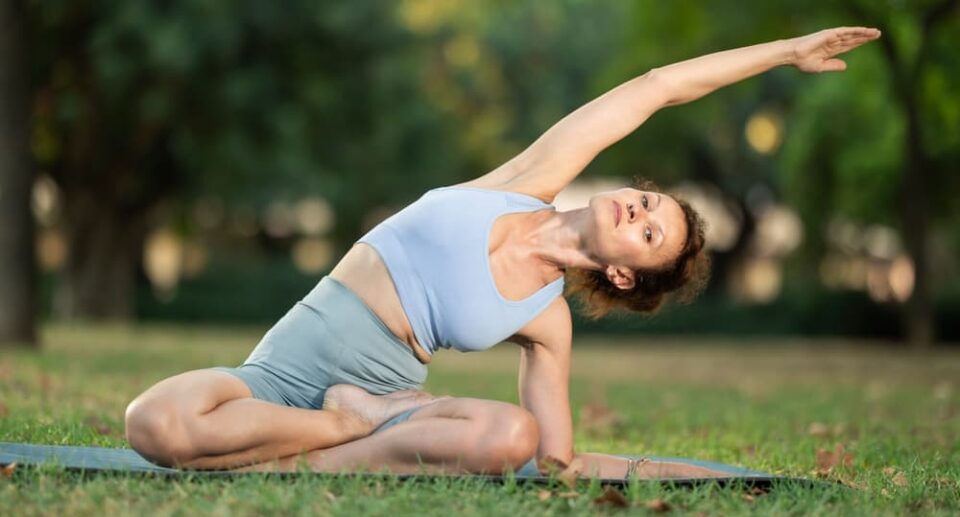
Yoga and breathwork are the ultimate bridge between body and mind, turning every conscious breath into a powerful tool for lasting peace and resilience. Stress and anxiety have become our daily companions in a competitive lifestyle. Career worries, family responsibilities, and social unrest all combine to keep our brains busy. This chronic stress not only affects our minds but also causes physical complications like high blood pressure, insomnia, and digestive problems.
Yoga and breathing exercises are an older and more scientific solution than expensive medications or therapies to get rid of this situation. Modern medicine has also accepted that there is no alternative to yoga to build a bridge between the body and mind. Regular yoga and proper breathing techniques activate our ‘parasympathetic nervous system’, which helps the body to calm down naturally.
In today’s blog, we will learn how some very simple yoga poses and breathing techniques can reduce anxiety in your daily life and bring back peace. If you are a busy person or looking for a peaceful life, this guide can be a new path for you.
The main causes of stress and anxiety
Biological causes
When our brain senses danger, it goes into ‘fight or flight’ mode. At this time, the body releases stress hormones called cortisol and adrenaline. Even if we are not afraid of tigers in modern life, the brain considers office deadlines or financial worries as ‘danger’; as a result, the body is always in a state of tension.
Modern lifestyle and busyness
Excessive work pressure, lack of sleep, and overuse of digital devices do not allow our brains to calm down. Comparing ourselves with the lives of others through social media is also one of the main causes of anxiety today.
Environmental effects
Environmental instability, noise pollution, or unhealthy relationships at work or in the family create long-term stress in people’s minds. Living in a chaotic environment, the mind can never relax completely.
Unresolved experiences from the past
Many times, a bitter childhood experience or a major accident from the past remains in the subconscious of the mind. Later, even a small adversity awakens the old fear, which creates chronic anxiety.
Physical illness and nutritional deficiency
A deficiency of vitamin D, magnesium or B-complex in the body can increase mental instability. In addition, a long-term physical illness makes a person mentally weak and anxious.
7 Powerful Yoga and Breathwork Techniques for Instant Calm
1. Deep Diaphragmatic Breathing
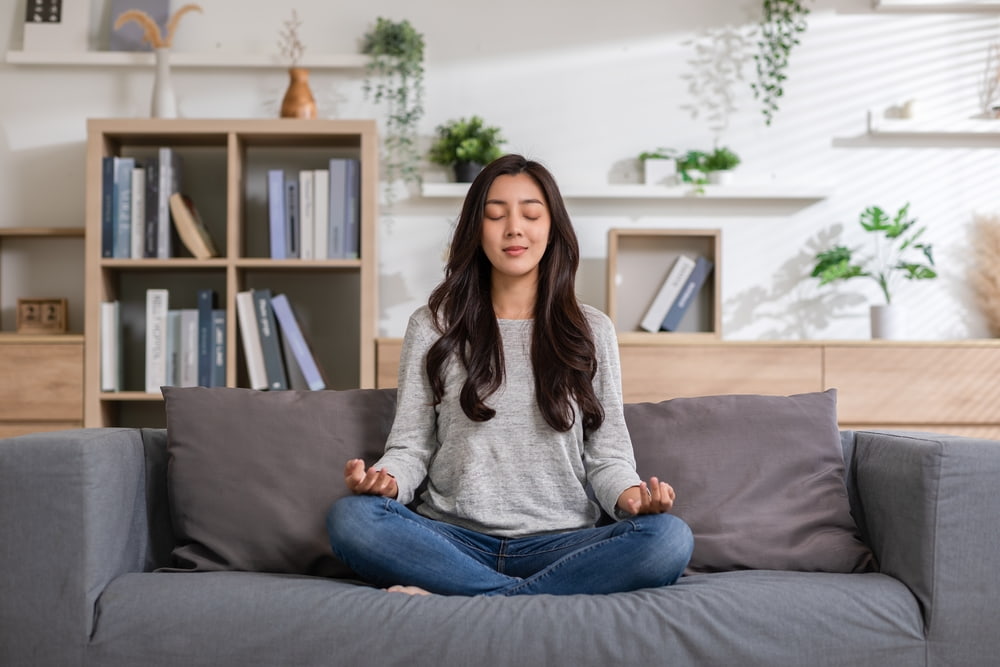
We usually breathe shallowly through our chest, which makes the body more tired. On the other hand, diaphragmatic breathing is a method where we breathe deeply using the diaphragm muscle located below the lungs. This directly sends signals to our nervous system to calm down.
How does it work?
When the diaphragm descends during deep breathing, it stimulates the vagus nerve. This nerve activates the body’s ‘relaxation response’, which slows the heart rate and lowers blood pressure.
The correct way to do it
1. Sit comfortably in a quiet place or lie on your back.
2. Place one hand on your chest and the other on your stomach (just below the ribs).
3. Take slow, deep breaths through your nose. Notice that your stomach, not your chest, is expanding and you feel pressure under your arm.
4. Hold your breath for a few seconds.
5. Now exhale slowly through your mouth. Feel the hand on your stomach going inwards.
Benefits of Diaphragmatic Breathing
- Instant anxiety relief
- Increases the flow of oxygen in the blood
- Improves digestion
- Improved sleep
2. Anulom Vilom Pranayama
Anulom-Vilom, also known as ‘Alternate Nostril Breathing’. This is a pranayama that creates harmony between the two main energy channels of the body, Ida (left nostril) and Pingala (right nostril).
The correct way to do this:
1. Sit in a comfortable position with your spine straight in Padmasana or Sukhasana. Close your eyes.
2. Close the right nostril with the thumb of your right hand.
3. Now take a slow, deep breath through the left nostril.
4. When you are finished inhaling, close the left nostril with your ring finger and open the right nostril and exhale slowly.
5. Now inhale again through the right nostril and close the right side and exhale through the left side. 6. Practice this for 5-10 minutes in a row.
Benefits to reduce stress and anxiety
- Mental peace
- Control high blood pressure
- Increase focus and concentration
- Remove toxins
3. Box Breathing Technique
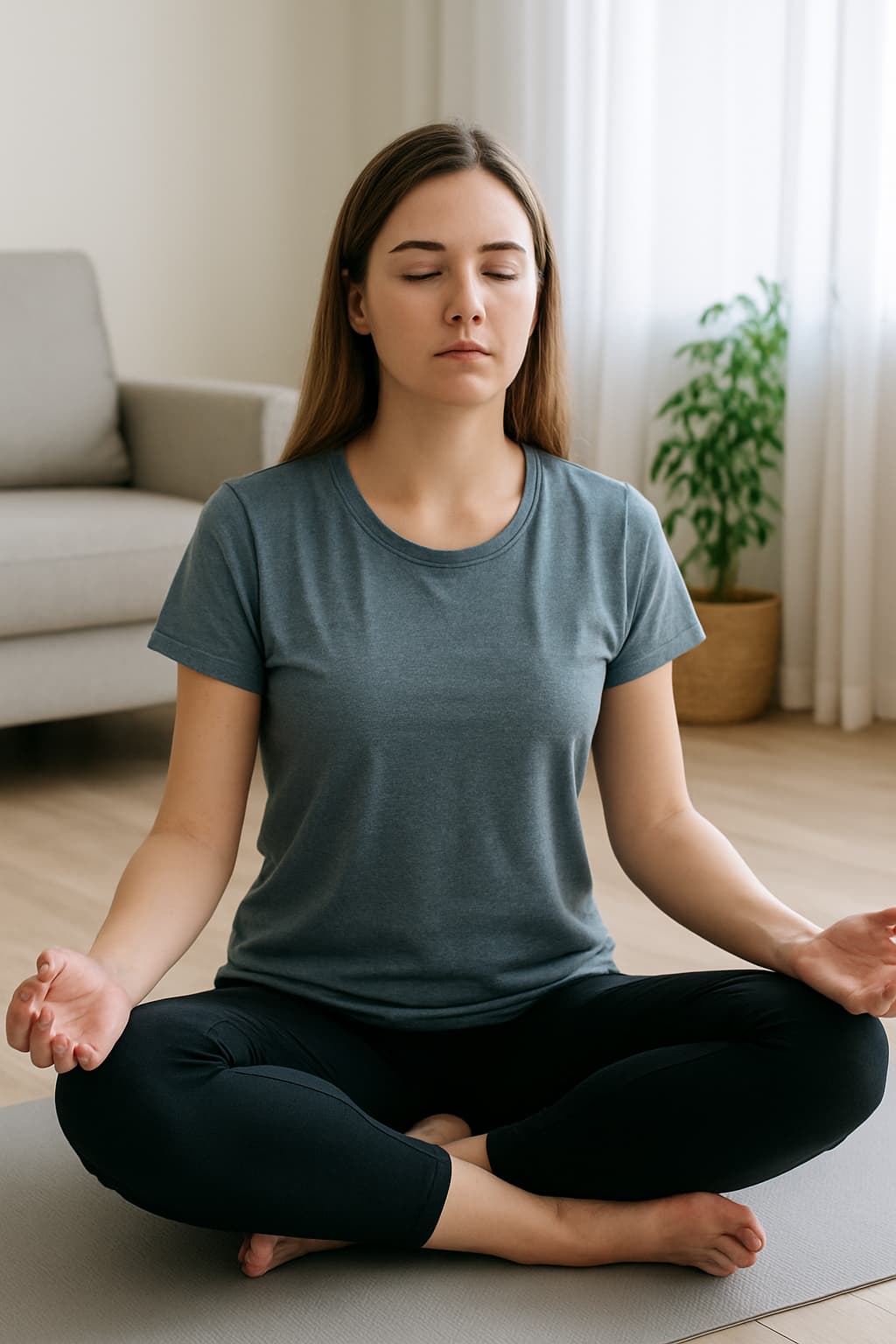
Box breathing, also known as ‘four-square breathing’, is a very simple yet effective method. It helps to instantly calm your nervous system and control the body’s ‘fight or flight’ response.
4 easy steps to box breathing:
Step 1: Take a slow, deep breath through your nose and mentally count to 4. Feel your lungs filling with air.
Step 2: Hold your breath for 4 seconds. Don’t push too hard, just stay still.
Step 3: Now slowly exhale all the air through your mouth or nose for 4 seconds.
Step 4: Wait another 4 seconds while your lungs are empty. Then start from step 1 again.
Benefits:
- Instant Calming
- Increases Attention
- Cortisol Control
4. Child’s Pose with Conscious Breathing
Balasana is a restful asana. It relaxes your back, shoulder and neck muscles and helps your brain to rest. When you breathe consciously in this position, it sends a signal to your body to feel ‘safe’ or secure.
The correct way to do it:
1. Kneel on a yoga mat. Make sure your big toes are touching each other and you are sitting comfortably on your heels.
2. Now slowly lean forward, keeping your chest and stomach on your thighs.
3. Place your forehead on the mat and extend both your arms straight forward (or you can keep your arms relaxed at your sides).
4. In this position, completely relax your body.
Benefits:
- Relieves neck and back pain
- Mental peace
- Helps in digestion
5. Cat-Cow Flow for Stress Release
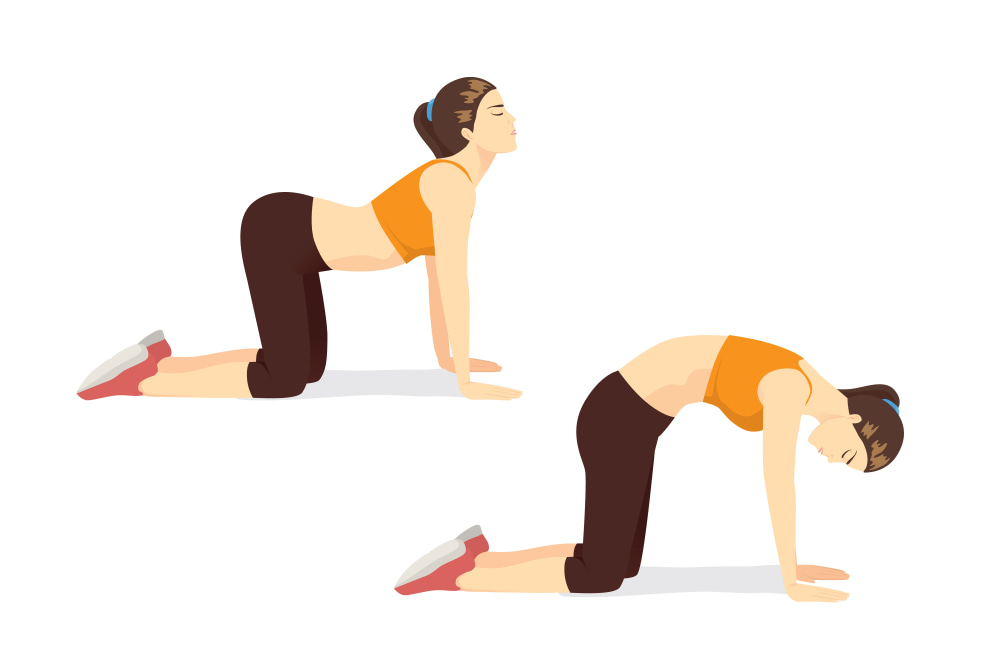
Our neck, back and spine become stiff due to sitting at a desk all day or due to anxiety. Cat–Cow Flow is a rhythmic exercise that not only activates the spine but also provides instant relief from mental restlessness.
The correct way to do it:
1. Start: Stand on the mat with both hands and both knees resting on it (table position). Hands should be under the shoulders, and knees should be straight under the hips.
2. Cow Pose (inhale): Take a deep breath through the nose, lower your stomach down and lift your head and chest. Look at the ceiling and feel your back arching like a bow.
3. Cat Pose (exhale): Now slowly exhale and round your spine upwards (like a cat). Try to tuck your chin to your chest and look at your navel.
4. Coordination: Repeat this process 5-10 times in this way, along with breathing.
Its role in stress release:
- Calms the nervous system
- Emotional release
- Increases attention
6. Bhramari
The word ‘Bhramari’ means bumblebee or bee. It is called Bhramari because a sound like the buzzing of bees is created while doing this pranayama. The subtle vibrations or vibrations that are made in the brain as a result of this buzzing directly calm our nerves.
The correct way to do this:
1. Sit in a comfortable position with your spine straight.
2. Close your eyes and lightly close your ear holes with the index fingers of both hands (or you can use the six-pointed mudra where the fingers are placed on the eyes and ears).
3. Now take a deep breath through your nose.
4. While exhaling, keep your mouth closed and make a bee-like sound “ummm…” (hmmm…) from inside your throat.
5. Try to feel the vibration of the sound in your brain and all over your face.
6. Practice this 5 to 10 times.
Benefits for reducing stress and anxiety:
- Instant calm
- Relieve insomnia
- Control high blood pressure
- Increase attention
7. Guided Mindful Breathing
Our mind either regrets the past or worries about the future. Mindful breathing is a technique that brings your mind back to the present moment. It is not a simple breathing, but paying full attention to the movement of the breath.
How to practice it?
1. Sit still: Sit in a quiet place with your spine straight. Place your hands on your lap. You can close your eyes or look at the floor.
2. Focus on natural breathing: Do not try to change your breathing. Notice the way your body breathes naturally.
3. Feel the air: Feel the coolness as you inhale and the warmth as you exhale.
4. Notice the movement of your stomach and chest: Notice how your lungs expand and contract with each breath.
5. What to do if your mind wanders: If your mind wanders (which is normal), calmly bring your attention back to your breath without blaming yourself.
Why is this effective for stress reduction?
- Unravels thought patterns
- Mental clarity
- Body connection
Ways to incorporate into your daily routine
It can be difficult to add a new habit to your busy life. However, by following these simple strategies, you can easily incorporate yoga and breathing into your life:
Habit Stacking
Integrate a new habit with an old one.
For example:
- Take 5 deep diaphragmatic breaths after brushing your teeth in the morning.
- Do Bhramari Pranayama for 2 minutes while sitting in bed just before going to bed.
- Practice Cat-Cow Flow or Child’s Pose for just 5 minutes before taking a bath.
Start small (The 5-Minute Rule)
Rather than aiming for an hour of yoga on the same day, start with just 5 to 10 minutes. Remember, exercising for 10 minutes every day is much more effective than exercising for 1 hour one day a week.
Take a ‘micro-break’ at work
Whenever you feel too tired or stressed while working in the office or at your desk, do box breathing or Anuloma-Bilom while sitting in a chair. You don’t need any special equipment to do this and no one will know that you are doing a breathing exercise.
Use digital reminders
Set an alarm on your phone or use a ‘mindfulness app’. This will remind you that your body and mind need a little rest or deep breathing now.
Create an environment
Place a yoga mat in a corner of your bedroom. Having the mat in front of your eyes will remind you to exercise. You can create a soothing environment by using some quiet music or lightly scented wax.
Consistency is Key
If you are not feeling well one day, sit quietly and do breathing exercises, even for at least 1 minute. The main goal is to maintain daily consistency.
FAQ
Q: Can yoga and breathwork really help reduce stress and anxiety?
Yes. Regular yoga and breathwork activate the parasympathetic nervous system, which helps calm the mind, lower stress hormones, and reduce anxiety symptoms naturally.
Q: How long does it take to see results from yoga and breathwork?
Many people feel calmer after just one session, but consistent practice for 2–4 weeks brings more noticeable and lasting improvements in stress and anxiety levels.
A few words from CoreWellfit
Yoga and breathing techniques are not just a physical exercise; they are an integral part of a healthy lifestyle. In our busy world, it may not be possible to completely eliminate stress or mental tension, but through yoga and breathing, we can prepare our minds in such a way that no adversity can destroy our stability.
Remember, no big change comes in a day. The 5 minutes of box breathing or child’s pose you practiced today may be the one that will prevent you from a major mental disaster tomorrow. Your patience and consistency in taking care of your body and mind will be your greatest strength.