




5-minute healthy habits for office workers


Maintaining healthy habits for office workers is crucial for staying physically and mentally fit. Spending long hours at a desk, staring at a computer screen, and juggling multiple tasks can easily lead to back pain, eye strain, fatigue, and stress. Without proper care, these challenges can affect not only health but also overall productivity and job satisfaction. By adopting healthy habits for office workers, individuals can create a balanced routine that supports both energy and focus throughout the day. Simple practices such as taking short breaks, stretching regularly, choosing nutritious meals, and staying hydrated can make a significant difference.
This article will provide practical tips and strategies for incorporating healthy habits for office workers into everyday work life, helping professionals remain healthy, energized, and more effective at their jobs.
Micro-breaks and stretching
Taking a break of just 30 seconds to 2 minutes every 30 to 60 minutes during work is called a micro-break. It reduces muscle stiffness and increases blood circulation.
3 effective stretches that can be done while sitting at your desk
For the convenience of the readers, you can describe some simple exercises:
Neck release: Sit upright and gently tilt your neck to the right and then to the left for 10 seconds. This relieves neck stiffness.
Shoulder roll: Raise both shoulders to the ears and roll them backwards. Doing this 5-10 times reduces pressure on the upper back.
Seated spinal twist: While sitting in a chair, turn your body to one side and hold the chair handle for a few seconds. This helps keep the spine active.
Learn More: 7 Healthy Habits for Busy Professionals (No Extra Time Needed)
20-20-20 rule
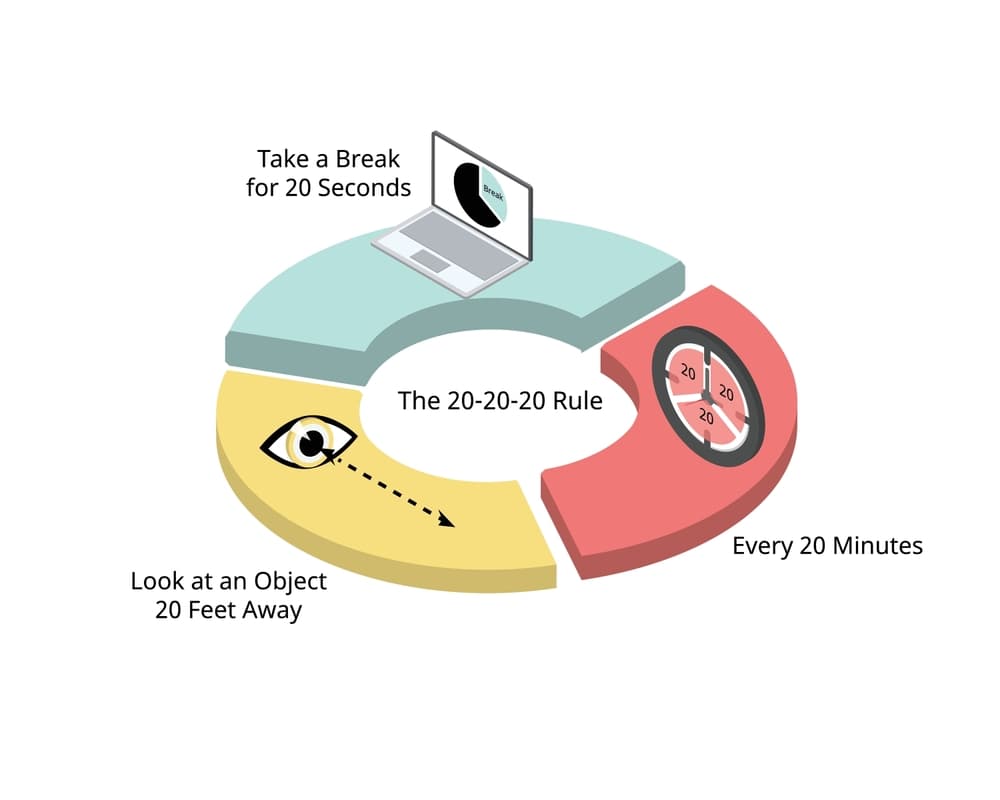
What is the 20-20-20 rule?
This is a simple formula for eye rest. If we stare at a computer, laptop or smartphone screen continuously, our eye muscles get tired. According to this rule:
Every 20 minutes: Stop working and move your eyes away from the screen.
For 20 seconds: Take a break.
20 feet away: Look at an object.
Why is it important for office workers?
Increase blinking rate: When we stare at the screen, we blink less than normal, which causes dry eyes. This break helps keep the eyes moist.
Muscle relaxation: When we stare at a close object for a long time, the ciliary muscles of the eyes contract. When we look at a distant object, these muscles get a chance to relax.
Reduce headaches: Relieves headaches or blurred vision problems caused by excessive eye strain.
Hydration hack
Smart Hydration Hacks
Visible Water Bottle on Desk: Instead of waiting for thirst, keep a beautiful water bottle in front of your eyes. It acts as a ‘visual cue’ or signal.
One Glass = One Task: Make it a rule to drink a glass of water after every meeting or after completing a task.
Infused Water: If you don’t like plain water, make ‘detox water’ by adding lemon, cucumber or mint leaves to it. It enhances the taste and keeps you refreshed.
Phone Reminder or App: There are many free apps (such as Water Reminder) available to remind you to drink water; we recommend using them.
Why is this important for office workers?
Brain Power: About 75% of the brain is water. A little dehydration can reduce your decision-making ability or focus.
Afternoon Slump: The drowsiness that comes after lunch is often due to a lack of water. Drinking water instead of coffee keeps your energy levels up.
Mindfulness

5-Minute Mindfulness Techniques
Office workers are short on time, so here are some quick and effective techniques to help you:
Box Breathing: Inhale for 4 seconds, hold for 4 seconds, exhale for 4 seconds, and pause for 4 seconds. This instantly reduces stress hormones.
5-4-3-2-1 Technique: Focus on 5 visible objects, 4 tactile objects, 3 sounds, 2 smells, and 1 taste to bring your attention back to the present moment.
Mindful Walking: Focus only on your walking pace while going to a meeting or getting coffee.
Single Tasking: Focusing on one task for 5 minutes instead of multitasking is also part of mindfulness.
Keep muscles active
5 Easy Ways to Activate Lazy Muscles
Here are some practical tips that can be done in the office environment:
Stairs instead of elevators: Using the stairs at least 2-3 floors a day increases the efficiency of the heart.
Standing meetings or calls: Make it a habit to stand or walk instead of sitting at your desk while talking on the phone.
Short walk after lunch: Take a 5-minute walk in the office corridor or in an open area after lunch. This also helps digestion.
Desk leg raises: While sitting in a chair, occasionally raise your legs straight and hold them for a while. This keeps the blood circulation in your legs good.
Benefits of keeping your muscles active
Metabolism: When the body is active, calories are burned and weight is controlled.
Release muscle stiffness: Sitting for a long time can cause stiffness in the waist or back muscles, which can be eliminated with regular movement.
Mood booster: When the body is active, endorphin hormones are released, which increase the pleasure of work.
Smart snacking
Smart Snacking Hacks
Here are some easy snack ideas to keep in your office drawer or bag:
Roasted nuts and seeds: Almonds, cashews or pumpkin seeds are a source of protein and good fats, which keep you full for longer.
Fresh fruits: Apples, bananas or guavas. These provide fiber and natural sugars, which give you instant energy.
Yogurt or chia pudding: For those who prefer a heavier breakfast, this is a great source of probiotics and calcium.
Unsweetened green tea or black coffee: Instead of biscuits, this helps to boost metabolism.
FAQs
1. What are the best healthy habits for office workers?
The best healthy habits for office workers include staying active with short breaks, maintaining good posture, drinking enough water, eating balanced meals, and managing stress effectively.
2. How can office workers stay active during long work hours?
Office workers can stay active by taking short walking breaks, stretching at their desk, using stairs instead of elevators, and doing quick exercises every 1-2 hours.
3. Why is proper posture important for office workers?
Proper posture helps prevent back pain, neck strain, and long-term health issues. It also improves focus, productivity, and overall comfort during work hours.
4. How can office workers maintain a healthy diet at work?
Office workers can maintain a healthy diet by preparing meals in advance, choosing nutritious snacks, avoiding excessive caffeine, and staying hydrated throughout the day.
Prioritizing Health in the Office
Maintaining healthy habits in the office is essential for boosting productivity, improving overall well-being, and reducing stress. By focusing on posture, taking regular breaks, staying active with desk exercises, and making mindful food choices, office workers can create a more balanced and energized workday. Small adjustments can lead to long-term benefits, so make health a priority and incorporate these habits into your daily routine to thrive in the workplace.