




5 Simple Ways to Incorporate Movement into Your Workday


Incorporating Movement into Your Workday is one of the simplest yet most effective ways to improve your overall health, energy, and productivity. Many people spend long hours sitting at desks, attending meetings, and working on screens, which can lead to physical discomfort, fatigue, and reduced focus. Incorporating Movement into Your Workday helps break this cycle by adding small but meaningful activities throughout the day, such as stretching, walking, or standing regularly.
Even a few minutes of movement can make a significant difference in both physical and mental well-being. By Incorporating Movement into Your Workday, you can support better posture, reduce stress and create a healthier balance between work and wellness.
Micro-breaks or the 20-20-20 rule
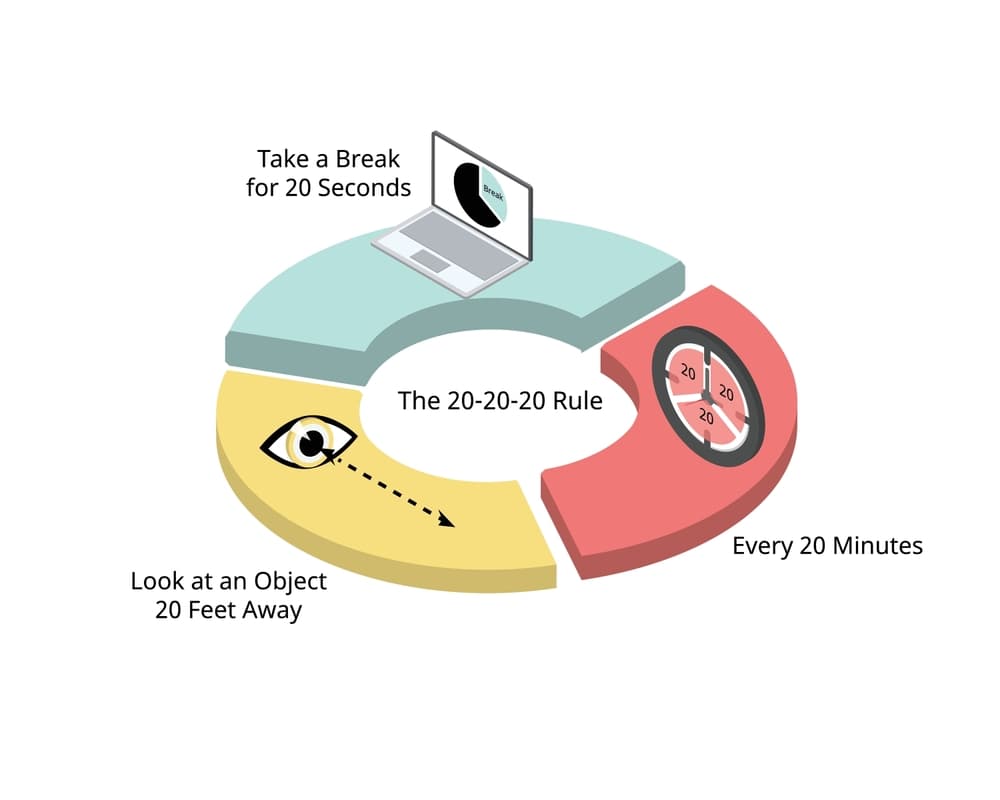
The 20-20-20 rule is a simple way to incorporate movement into your daily routine, including:
A simple rule to follow: After every 20 minutes of work, look at something 20 feet away for 20 seconds.
From sitting to standing: Stand up for 20 seconds every 20 minutes. This helps to get your blood flowing.
List stretches: Stretch your arms above your head for 20 seconds or rotate your neck to the left.
Variations: Look at information from a computer screen or look at a distant tree, which helps to increase your focus.
Desk Stretching
Neck Release: Looking at the screen for a long time puts pressure on the neck. Sit straight and tilt your ear towards your shoulder and hold for 10-15 seconds and do the same on the other side. This removes neck stiffness.
Shoulder Rolls: Lift your shoulders close to your ears and rotate them in a circle. 5 times forward and 5 times backward. This increases blood circulation in the shoulders and upper back.
Seated Spinal Twist: Rotate your upper body once to the right and once to the left while sitting in a chair. This maintains the flexibility of the spine and reduces back pain.
Wrist & Forearm Stretch: Typing or using a mouse puts pressure on the wrist. Stretch the wrist by straightening your hand in front of you and moving your fingers up and down.
Shoulder Rolls: Lift your shoulders close to your ears and rotate them in a circle. 5 times forward and 5 times backward. This increases blood circulation in the shoulders and upper back.
Seated Spinal Twist: Rotate your upper body once to the right and once to the left while sitting in a chair. This maintains the flexibility of the spine and reduces back pain.
Wrist & Forearm Stretch: Typing or using a mouse puts pressure on the wrist. Stretch the wrist by straightening your hand in front of you and moving your fingers up and down.
Leg Extensions: Stretching your legs straight under the table and rotating your feet. This reduces discomfort caused by hanging your legs for long periods of time.
Standing Meeting or Call
When people talk while standing, their body is more active and their attention increases. This is called “Standing Engagement”. It is very effective in burning calories and keeping blood circulation normal.
Walking while talking on the phone: While talking on the phone at the office or at home, get up from your seat and walk around the room. This can also be called a ‘Walking Meeting’.
Standing position in virtual meetings: During a Zoom or Google Meet call, place your laptop on a high place (such as a shelf or standing desk) and talk while standing.
Small talk with colleagues: If you have a 5-10 minute conversation with a colleague, offer to do it standing instead of sitting.
Walking while talking on the phone: While talking on the phone at the office or at home, get up from your seat and walk around the room. This can also be called a ‘Walking Meeting’.
Standing position in virtual meetings: During a Zoom or Google Meet call, place your laptop on a high place (such as a shelf or standing desk) and talk while standing.
Small talk with colleagues: If you have a 5-10 minute conversation with a colleague, offer to do it standing instead of sitting.
Avoid elevators and use stairs
Effective cardio: Climbing stairs burns about 2-3 times more calories than walking on flat ground.
Muscle building: It helps strengthen the leg muscles (quads, hamstrings) and glutes.
Heart performance: Regular use of stairs increases heart rate and improves cardiovascular health.
Muscle building: It helps strengthen the leg muscles (quads, hamstrings) and glutes.
Heart performance: Regular use of stairs increases heart rate and improves cardiovascular health.
Water breaks

Use small glasses: Suggest using small glasses or mugs instead of keeping a large water bottle on the desk. This will make you have to get up repeatedly to refill the glass, which will increase the amount of walking you do.
Walk to the water cooler: If the water filter or water cooler in the office is a little far away, then it is a blessing for you. Every time you drink water, you will walk at least 2-3 minutes.
Being hydrated increases energy: Fatigue occurs when the body lacks water. Drinking water at regular intervals keeps the brain active and eliminates boredom that comes in the middle of work.
Walk to the water cooler: If the water filter or water cooler in the office is a little far away, then it is a blessing for you. Every time you drink water, you will walk at least 2-3 minutes.
Being hydrated increases energy: Fatigue occurs when the body lacks water. Drinking water at regular intervals keeps the brain active and eliminates boredom that comes in the middle of work.
FAQs
Why is it important to incorporate movement into your workday?
Incorporating movement into your workday helps reduce the negative effects of sitting for long hours, such as back pain, poor posture, fatigue, and reduced productivity. It also improves blood circulation, energy levels, and mental focus.
How often should I move during working hours?
Experts often recommend standing up, stretching, or walking for at least 2-5 minutes every 30-60 minutes. Small, consistent movement breaks can make a big difference throughout the day.
What are some easy ways to add movement during office work?
You can take short walking breaks, use the stairs instead of the elevator, stretch at your desk, stand during phone calls, or do quick bodyweight exercises like squats or shoulder rolls.
Can movement during work improve productivity?
Yes, regular movement helps refresh your mind, reduce stress, and improve concentration. It can increase motivation and help you stay focused on tasks for longer periods.
Do I need special equipment to stay active at work?
No, you do not need expensive equipment. Simple habits like walking, stretching, standing more often, and using a regular chair correctly can help you stay active and healthy during the workday.
Make Movement a Daily Work Habit
Incorporating movement into your workday is a simple yet powerful step toward better health and improved productivity. Small actions like stretching, walking, standing regularly, or taking short active breaks can make a big difference in your physical and mental well-being. These habits help reduce stress, improve posture, boost energy levels, and support long-term wellness.
No matter how busy your schedule is, finding small opportunities to move throughout the day can create lasting positive results. By making movement a daily priority, you can enjoy a healthier, more balanced, and more productive work life.